
UNIDENTIFIED PERSON
CASE #: 1981-36
Jane Doe
Also Known As:
Nude in the Nettles
Status:
Open
Date of Recovery:
Date of Recovery:
Jurisdiction:
Recovery Location:
Sutton Bank, North Yorkshire
Summary:
An unidentified woman's decomposed skeletal remains were discovered on August 28, 1981, near Sutton Bank in North Yorkshire, England, following an anonymous telephone tip. Estimated to have died in 1979, she remains unidentified after more than 40 years despite extensive investigations and DNA analysis conducted in 2012. Her cause of death could not be determined, though foul play is strongly suspected.
Vital Statistics
Circumstances of Recovery:
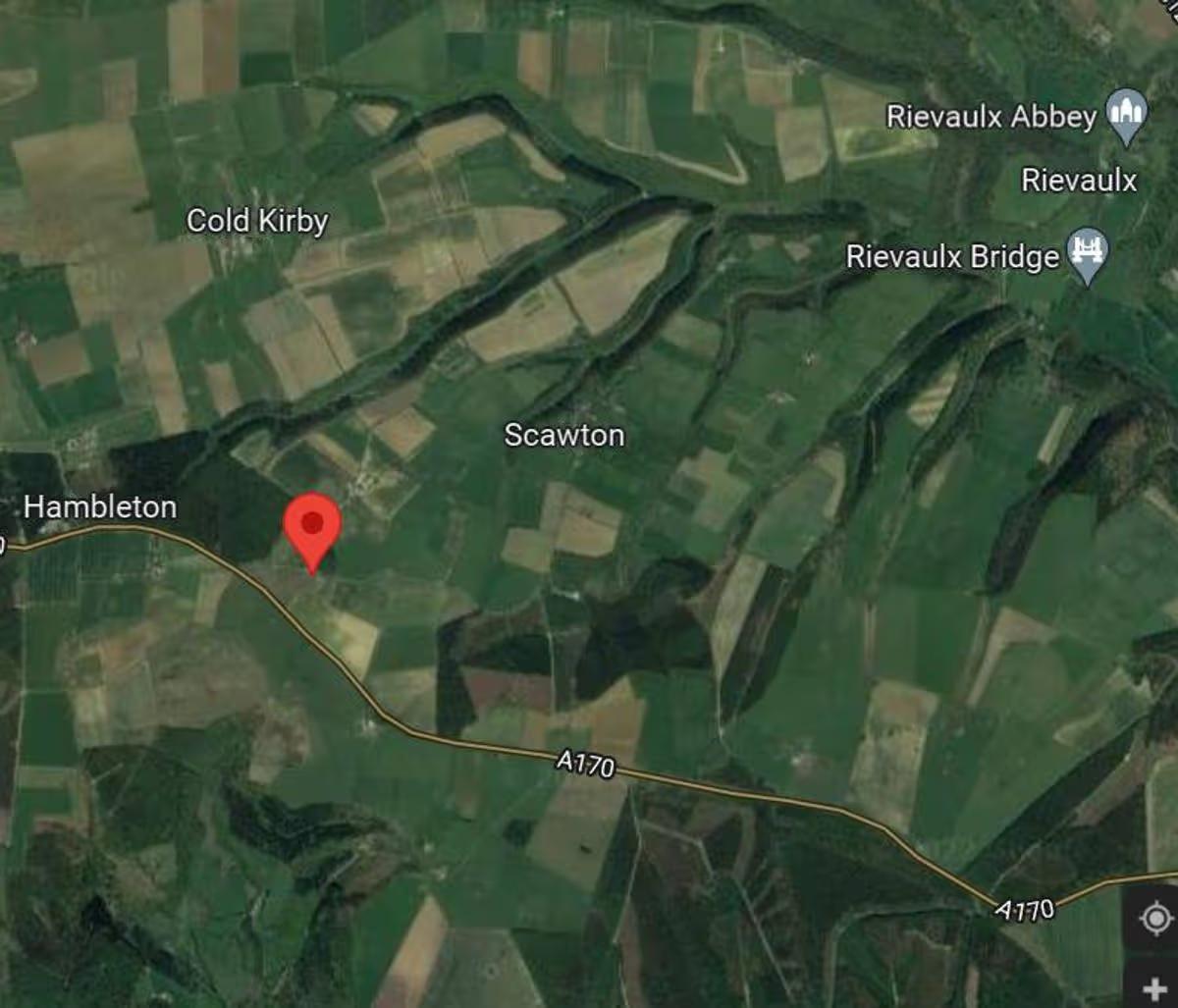
On Friday, August 28, 1981, at approximately 8:00 a.m., Ripon Police Station received a telephone call from a well-spoken man with a trace of a local accent. The caller provided precise directions to the body's location near Scawton Moor House, stating: 'Near Scawton Moor House, you will find a decomposed body among the willowherbs.' When asked for his name and address, the caller refused, citing 'national security reasons,' and abruptly terminated the call, lasting less than one minute. Police Constable John Jeffries initially attended the location but could not locate the remains on his first search. He fell from his horse and broke his leg that same day, delaying further investigation. Upon subsequent police attendance, skeletal remains were discovered concealed beneath a large bed of Rosebay Willow herbs on an unclassified road between Sutton Bank and the villages of Scawton and Rievaulx, near the junction with the A170 Thirsk to Scarborough road. The body was well-concealed and would not have been discovered by chance. A yoghurt pot lid found beneath the body, dated October 6, 1979, suggested the remains had lain undisturbed for approximately two years, indicating a probable date of death in 1979. The woman was naked with no clothing or personal possessions found with the body. During wider searches, women's clothing—a black evening gown, brassiere, and underwear—were discovered hanging from a tree approximately 0.5 to 1 mile from the body, but these could not be linked to the deceased and no one came forward to claim them.
Additional Details:
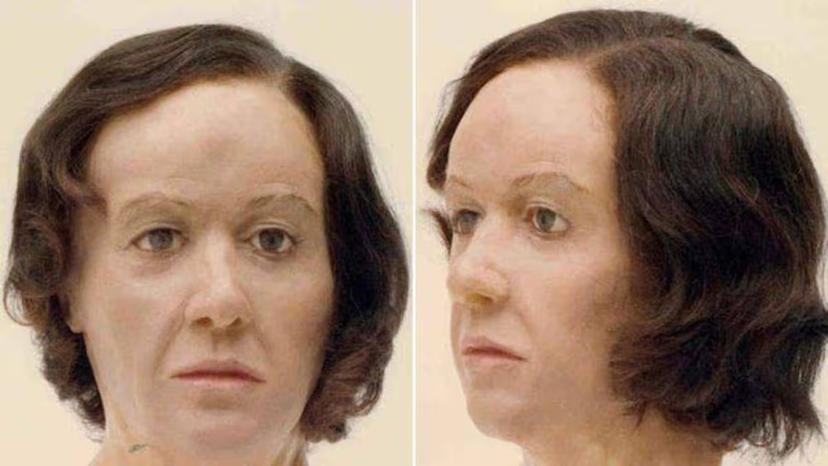
In November 1981, approximately three months after discovery and with no leads forthcoming, medical students at the University of Leeds, under the direction of Detective Superintendent Strickland Carter and with assistance from Granada Television's makeup department, constructed a three-dimensional waxwork reconstruction of the woman's head—the first such forensic facial reconstruction ever used by British police. The investigation led police to trace 164 missing women, but none could be identified as the victim. The woman was initially buried in Malton Cemetery, North Yorkshire, in 1983 following an 18-month investigation. In August 2011, North Yorkshire Police announced a fresh appeal and reopened the investigation as a cold case review. Following media coverage and public response, several families came forward believing the woman might be their missing relative. In January 2012, following coroner approval, the remains were exhumed from Malton Cemetery (grave number 4601) in a carefully conducted operation beginning at midnight on January 24, 2012, lasting approximately seven hours, involving North Yorkshire Police officers, a Home Office pathologist, forensic archaeologist, and crime scene investigators. Forensic samples including bone from the femur and teeth were extracted for DNA analysis. A full DNA composite profile was successfully created—the first major breakthrough in the investigation. The profile was compared against samples from five families who had come forward, two of whom approached police voluntarily, but no matches were found. The DNA profile was entered into the UK National DNA Database and Missing Persons' DNA Database in 2013 for future matching, but no hits have been recorded. The remains were reinterred at Malton Cemetery on January 26, 2012, in a brief service conducted by Reverend Simon Rudkin with North Yorkshire Police laying a wreath. The case was officially classified as an 'unexplained incident' by the Home Office in 1981, not as a homicide due to inability to determine cause of death, though police have always suspected foul play based on the body's location, lack of clothing, and disposal method. Investigation was wound down in 1982 as a failure and the anonymous caller, who remains a person of interest, was never identified. In 2011-2012, independent researchers and journalists, including retired police intelligence officer Chris Clark and journalist Tim Hicks of the North Yorks Enquirer, investigated potential connections to Peter Sutcliffe (the Yorkshire Ripper), citing geographic proximity, modus operandi similarities (nude disposal in remote locations), and Sutcliffe's known work routes. In May 2019, Clark formally requested North Yorkshire Police review the Sutcliffe connection, but the force declined, noting the absence of skull fractures typical of Sutcliffe's signature injuries and citing no forensic evidence linking the cases. In 2023, Clark claimed Sutcliffe was responsible for 32 additional victims including this case based on new evidence analysis, but police have not reopened this line of inquiry. In 2023, North Yorkshire Police initiated DNA testing on samples from the Aberdeenshire region to explore potential connections to missing women from Scotland, including Margaret Docherty (missing 1977) and Penuel Sheriffs (missing 1958), though police stated there was a 'one in a million chance' either was the Nude in the Nettles victim. Despite the passage of decades and advances in forensic technology, genealogy, and modern investigative techniques, the woman's identity remains unknown. Cold case detectives continue to investigate, exploring commercial DNA matching services and family tree databases as potential avenues to identification.
Case Last Updated:
No detective or agency email provided
Can you help?
Without a lead detective or agency contact email, tips to help solve the case can't get to the right place. Community members, you can help by calling the agency and asking for that information to then share with Solve the Case.
Investigating agency
Ask for the detective handling this case, or an email address where tips can be sent.
Share what you learnTimeline of Events
North Yorkshire Police initiated DNA testing on samples from Aberdeenshire region to explore potential connections to missing Scottish women including Margaret Docherty (missing 1977) and Penuel Sheriffs (missing 1958). Police stated 'one in a million chance' either was the victim.
Retired police intelligence officer Chris Clark formally requested North Yorkshire Police review potential connection to Peter Sutcliffe (Yorkshire Ripper) based on geographic proximity, modus operandi similarities, and work routes. Police declined, citing absence of skull fractures and lack of forensic evidence linking cases.
DNA profile formally entered into UK National DNA Database and Missing Persons' DNA Database for future matching.
Woman buried in Malton Cemetery, North Yorkshire, in unmarked grave number 4601 following 18-month investigation that failed to establish identity or cause of death.
Remains exhumed from Malton Cemetery grave number 4601 beginning at midnight January 24, lasting approximately seven hours. Forensic samples including bone from femur and teeth extracted for DNA analysis. Full DNA composite profile successfully created—first major breakthrough in investigation. Remains reinterred January 26, 2012, in service conducted by Reverend Simon Rudkin with North Yorkshire Police laying wreath.
Medical students at University of Leeds constructed three-dimensional waxwork reconstruction of woman's head under direction of Detective Superintendent Strickland Carter, with assistance from Granada Television makeup department. First forensic facial reconstruction used by British police.
Anonymous caller phoned Ripon Police Station with precise directions to decomposed body near Scawton Moor House. Caller refused to identify himself, citing national security reasons, and terminated call after less than one minute.
Police Constable John Jeffries attended location but initially could not locate remains. He fell from his horse and broke his leg same day, delaying further investigation.
Police discovered skeletal remains concealed beneath Rosebay Willow herbs on unclassified road between Sutton Bank and villages of Scawton and Rievaulx, near A170 junction. Body was naked with no clothing or possessions. Women's clothing found separately approximately 0.5-1 mile away could not be linked to deceased.
North Yorkshire Police announced fresh appeal for unsolved case and reopened investigation as cold case review. Several families came forward believing woman might be their missing relative.
Estimated date of death based on yoghurt pot lid found beneath remains dated October 6, 1979, and plant growth analysis suggesting body had lain undisturbed for approximately two years.
Associated Persons
Unknown A. (Person of Interest) - Living
Related Stories & Podcasts
Case Content Disclaimer: The details on this case page are sourced from numerous locations to include family, friends, news postings and government public releases. Solve the Case, Inc. does not guarantee the accuracy of any content as case pages are living documents that frequently update as case details expand.